
Tips for Buying Vintage Online Safely
Table of Contents
- Verify Authenticity and Provenance Before You Buy
- Questions to Ask Vintage Sellers
- Evaluate Seller Reputation and Feedback
- Best Practices for Vintage Shipping and Insurance
- How to Start a Vintage Collection Safely
- Understand Return Policies and Buyer Protection
- Frequently Asked Questions
Last Updated: September 27, 2026
Verify Authenticity and Provenance Before You Buy
Authenticity is the foundation of every smart vintage purchase. Before committing to any piece, you need concrete evidence that what you're buying is what the seller claims it is. This starts with understanding what markers of authenticity actually mean and how to spot red flags that suggest restoration, reproduction, or misrepresentation.
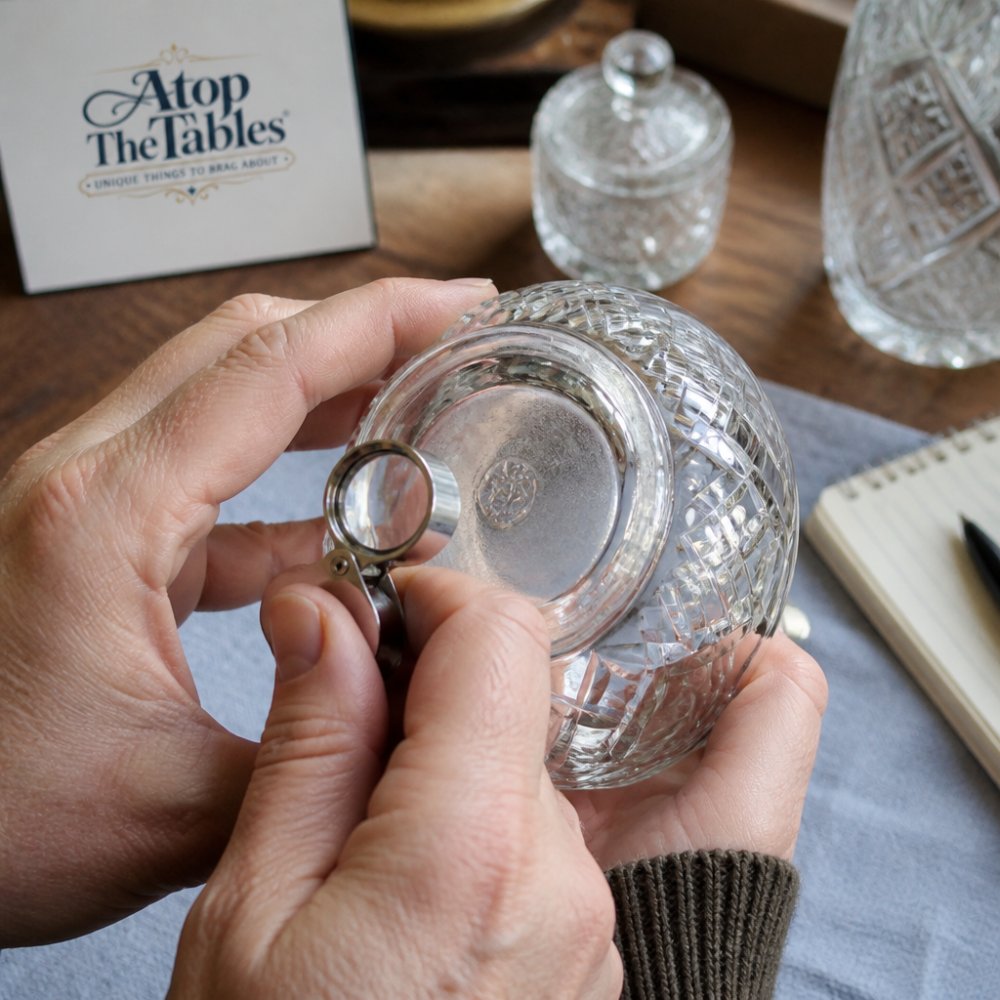
At AtopTheTables, we've spent over 20 years sourcing vintage collectibles from estates and auctions. One consistent lesson: the pieces with documented provenance and clear authenticity markers command trust. The ones without them? They create doubt the moment they arrive.
Check for Hallmarks and Serial Numbers
Hallmarks are the fingerprints of vintage items. On glass, crystal, and china, these tiny inscriptions tell you who made the piece, when, and sometimes where. Before buying, ask the seller for high-resolution close-up photos of these marks.
Request photos taken under bright, natural light. Shadows hide details. If the seller refuses or says the marks are "too small to photograph," that's a warning sign. Legitimate sellers understand that buyers need this verification. They'll provide multiple angles without hesitation.
Look for consistency in the marks. A piece claiming to be from 1950s Germany should show German maker marks and period-appropriate hallmarks. Mismatched or unclear marks suggest either a reproduction or a misdated item. Cross-reference what you see against reference materials, resources like [the Harmony Kingdom(/blogs/atopthetables-journal/harmony-kingdom-box-figurines-guide) Reference Guide | atopthetables.com] document maker marks, artist signatures, and production details that help you verify authenticity.
Request a Condition Report
A condition report is a detailed written assessment of the item's current state. It should describe any cracks, chips, repairs, repainting, or restoration work. This isn't optional, it's essential due diligence.
The report should specify:
- Visible damage (chips, cracks, discoloration)
- Any restoration or repair work performed
- Whether the item is in original condition or has been altered
- Any replacements (handles, stoppers, lids)
Many sellers skip this step. Don't accept that. Ask directly: "Has this piece been restored, repaired, or refinished?" Press for specifics. "A little touch-up" could mean professional restoration that fundamentally altered the piece's value and character. Transparency here separates trustworthy sellers from those hiding problems.
Use Digital Verification Tools
Digital tools have changed how collectors verify authenticity. Online databases, reverse image searches, and third-party verification services let you cross-check claims before money changes hands.
Start with reverse image searches. Upload the seller's photos to Google Images or TinEye. If the same image appears on multiple listings with different prices or seller names, you've found a red flag, the seller may be using stock photos rather than actual inventory photos. Legitimate sellers photograph their own pieces.
Research the maker or manufacturer directly. Most established vintage producers have documented histories online. Cross-reference production dates, maker marks, and typical characteristics against what the seller describes. If details don't align, ask why.
When buying vintage online safely, consider requesting a video call with the seller. Ask them to show the piece in person, rotate it, and demonstrate the marks you're concerned about. A seller confident in their item will do this. One who deflects or makes excuses is signaling doubt.
Questions to Ask Vintage Sellers
The questions you ask separate informed buyers from those who discover problems after purchase. Before committing, you need answers that clarify the item's history, condition, and authenticity.
Understanding Item History and Provenance
Provenance, the documented history of an object, matters enormously. Where did this piece come from? Who owned it? How long has it been in circulation? These details affect both value and your confidence in authenticity.
Ask the seller: "Where did you source this piece?" The answer matters. Items from estate sales, auctions, or documented collections carry more credibility than pieces with vague origins. Sellers who can say "This came from an estate sale in [location] in [year]" are providing verifiable context.
Follow up with: "Do you have documentation of the provenance?" Original receipts, auction house catalogs, or estate sale records add layers of verification. They're not always available, but when they are, they're worth significant weight in your decision.
Clarifying Restoration and Damage
This is where many buyers stumble. They accept vague answers about condition and discover problems later. Be specific and direct.
Ask: "Has this piece been professionally restored?" Don't accept "no restoration" without follow-up. Ask about repainting, refinishing, gluing, or repair work. Some sellers consider minor touch-ups "not restoration," when in fact any alteration changes the piece's authenticity and value.
Request details on any visible damage. "What caused this chip?" "When was this crack repaired?" "How was the handle reattached?" These specifics help you assess whether the damage affects function or just appearance. A tiny chip on a decorative piece might be irrelevant. A structural crack that's been glued matters more.
Evaluate Seller Reputation and Feedback
Seller reputation is your insurance policy. Before buying vintage online safely, verify that the seller has a track record of honest transactions and fair dealings.
Reading Reviews and Dispute Resolution Records
Check every available review platform. On marketplaces, read both positive and negative feedback. Look for patterns. One negative review among hundreds might be an outlier. Multiple complaints about misrepresented condition, damaged items, or poor communication reveal a real problem.
Harmony Kingdom 2002 Reference Guide →
Pay attention to what reviewers say about accuracy. "Item matched description perfectly" is good. "Photos didn't show the damage" is a warning. Read reviews from people who bought similar items to what you're considering. Their experiences matter more than reviews of completely different product categories.
Check dispute resolution records if available. Many platforms show how sellers handle complaints. A seller who works to resolve issues fairly is different from one who ignores buyers or refuses refunds. This history reveals character under pressure.
Ask the seller directly: "How long have you been selling vintage items?" Established sellers with years of experience carry less risk than newcomers. That said, new sellers with excellent reviews can be trustworthy, the key is whether they're transparent and responsive.
Look for sellers who provide detailed descriptions and multiple photos. They're investing time in accuracy. Sellers who post minimal photos and vague descriptions are cutting corners, and that usually extends to their customer service too.
Best Practices for Vintage Shipping and Insurance
How a piece travels from seller to your door determines whether it arrives in the condition described. Shipping vintage items requires specific precautions.
Insist that the seller use professional packing materials. Ask the seller: "How will you pack this?"
Verify that the item will be insured during transit. The seller should declare the full value to the shipping carrier and purchase insurance that covers loss or damage. If insurance costs extra, pay it. It's cheap compared to losing a valuable piece.
Request tracking and signature confirmation. You want to know exactly when the package arrives and who receives it. This creates accountability and documentation if something goes wrong.
Choosing Secure Payment Methods
Your payment method is your protection. Use methods that offer buyer protection and dispute resolution.
Credit cards offer chargeback protection. If the item arrives damaged or doesn't match the description, you can dispute the charge with your card issuer. This gives you use if the seller refuses to make it right.
PayPal and similar services offer buyer protection programs (PayPal's Purchase Protection Program). They typically allow you to open a case if the item doesn't arrive or doesn't match the listing. Read the terms carefully, different platforms have different timelines and requirements.
Avoid wire transfers, checks, or payment methods without buyer protection.
How to Start a Vintage Collection Safely
Building a vintage collection is rewarding, but it requires a systematic approach. Random purchases lead to regret. Intentional buying leads to a cohesive collection you actually enjoy.
Building Your Due Diligence Process
Start by defining what you collect. Are you focused on a specific era, maker, material, or style? Clarity here matters. It helps you evaluate purchases against your actual goals rather than buying impulsively.
Post-Purchase Inspection Checklist
When your piece arrives, inspect it immediately against the seller's description. Compare the actual item to the photos. Look for:
- Damage not mentioned in the listing
- Condition that differs from photos (lighting can deceive)
- Missing components (lids, stoppers, handles)
- Odors or signs of storage issues
- Cracks or chips in structural areas
Understand Return Policies and Buyer Protection
Before completing any purchase, understand the return policy and what buyer protection actually covers.
Frequently Asked Questions
What are the safest payment methods for buying vintage online?
Use payment methods that offer buyer protection, such as credit cards, PayPal, or escrow services. These platforms provide dispute resolution if an item doesn't match the description or arrives damaged. Avoid wire transfers or direct bank payments, as they offer no recourse. For high-value purchases, consider escrow services that hold funds until you've inspected the item and confirmed it meets the listing description.
How can I verify the condition of vintage glass and china before purchasing?
Request high-resolution imagery from multiple angles, including close-ups of any wear, chips, or cracks. Ask the seller for a detailed condition report that describes age-related wear, restoration work, and any damage. Review the item description carefully for mentions of deadstock (never-used) status or patina. If photos seem unclear or the seller won't provide detailed images, that's a red flag, move on to another seller.
What questions should I ask a vintage seller before buying?
Ask about the item's provenance and where it came from. Request specifics on any restoration or repairs performed. Inquire about the return policy and how long you have to inspect the piece. These questions help you assess both authenticity and whether the seller is transparent and trustworthy.
How do I read seller reviews to ensure a safe transaction?
Look beyond the star rating, read individual reviews that mention condition accuracy, shipping care, and communication. Pay attention to comments about whether items matched photos and descriptions. Check for patterns in complaints about damage or misrepresentation. Sellers with consistent praise for honest descriptions and careful packing are safer choices. Watch for vague positive reviews or few reviews overall, which may indicate less transaction history.