
How to Start a Vintage Collection: A 2026 Guide
Table of Contents
- Define Your Collection Focus and Vision
- Set a Realistic Budget and Investment Strategy
- Identifying Vintage Glass Marks and Maker Information
- Source from Estate Sales, Auctions, and Consignment
- Authentication and Counterfeit Detection
- How to Care for Vintage China and Collectibles
- Best Vintage Collectibles for Beginners
- Build Your Vintage Collection with Confidence
- Frequently Asked Questions
Last Updated: September 21, 2026
Define Your Collection Focus and Vision
Starting how to start a vintage collection begins with clarity about what draws you in. Are you captivated by the delicate hand-painted roses on Limoges porcelain? The bold geometric patterns of Art Deco glassware? The historical significance of Wedgwood Jasperware? Your focus becomes your compass, it shapes every decision that follows, from where you source pieces to how much you're willing to spend.

The most successful collectors narrow their scope early. Instead of chasing "anything vintage," they commit to a specific category: a particular pottery maker, a design era, a color palette, or a functional type like serving pieces or decorative boxes. This focus makes authentication easier, helps you spot genuine rarities, and builds genuine expertise over time.
Consider what sparks genuine curiosity for you. Is it the maker's mark on the underside of a plate? The craftsmanship visible in hand-thrown clay? The story behind a piece's provenance? At AtopTheTables, we've worked with collectors for over 20 years, and the ones who build the most rewarding collections are those who chase passion, not trends. They study their chosen category deeply, learn to recognize quality, and develop an eye for pieces that others overlook.
Set a Realistic Budget and Investment Strategy
How much you invest in how to start a vintage collection depends entirely on your goals and circumstances. A beginner building a modest display of decorative pieces has different needs than someone pursuing rare collectible items with documented histories.
Begin by deciding what role vintage pieces will play in your life. Are these conversation starters for your home? Pieces you'll use functionally? Investment acquisitions you hope will appreciate? Your answer determines your budget framework. Many collectors find success starting small, acquiring one or two quality pieces per month rather than making large purchases upfront. This approach lets you learn as you go, refine your taste, and avoid costly mistakes.
Set aside a realistic amount you can afford to lose. Yes, lose. Some purchases won't age well in your collection. You might buy something that doesn't fit your space as well as you imagined, or you'll learn later that a piece doesn't meet your authenticity standards. Treating this as part of the learning curve removes the pressure of every purchase being perfect.
Track your spending by category. Note what you've paid for different types of pieces, which sources offer the best value, and where you've found your most rewarding finds. Over time, this data shows you where to allocate your budget for maximum satisfaction.
Identifying Vintage Glass Marks and Maker Information
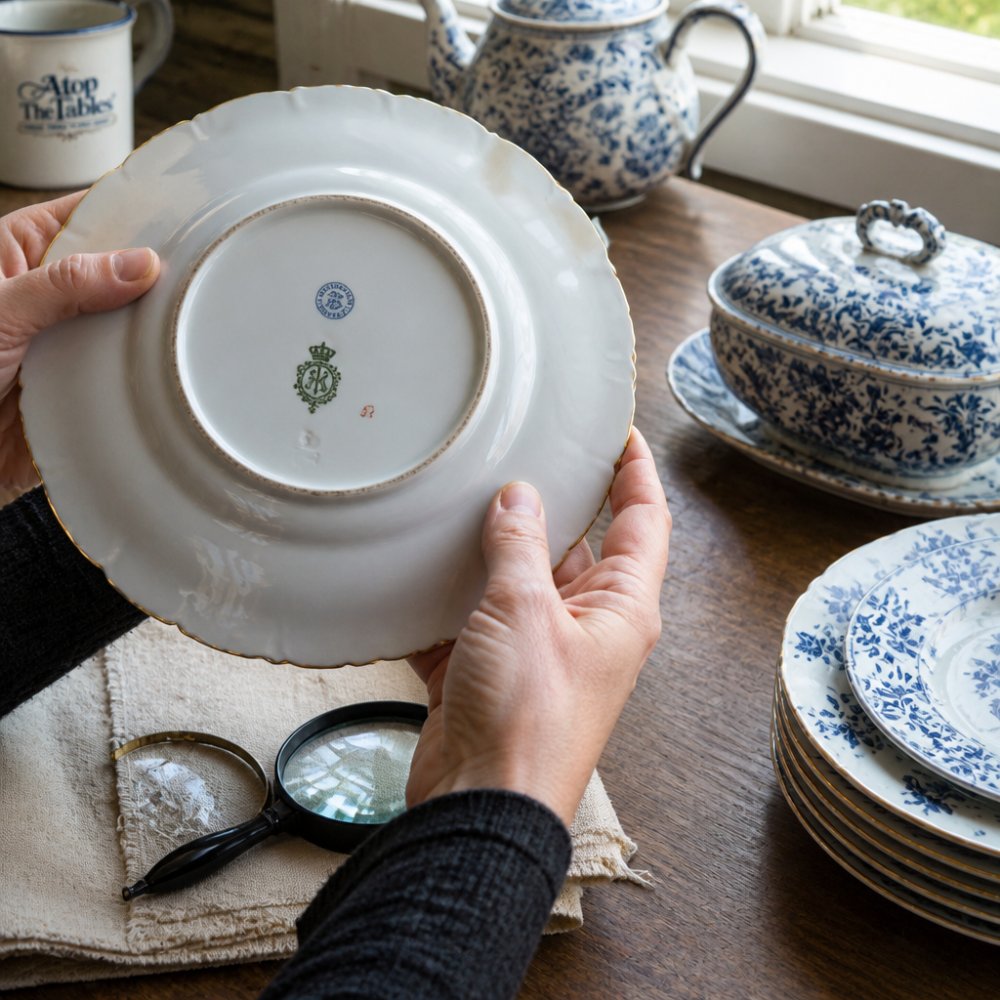
Understanding how to identify vintage glass marks transforms you from a casual buyer into someone who can spot authentic pieces and understand their history. Nearly every vintage glass, porcelain, and china item carries clues about its maker, origin, and era, you just need to know where to look.
Examine the underside of any piece first. Most manufacturers stamped, impressed, or painted their marks on the base or back. These marks typically include the maker's name, location, sometimes a pattern number, and occasionally a date code. A Wedgwood piece, for instance, bears the impressed "Wedgwood" mark, often with date codes that help you pinpoint production year. The Harmony Kingdom Reference Guide, a resource many collectors keep handy, catalogs artist signatures, production variations, and hidden clues carved into collectible boxes.

Glass presents its own marking systems. Some pieces carry acid-etched signatures, others have paper labels (often long gone), and many bear no visible mark at all. Learning to recognize maker characteristics, the weight of the glass, the color saturation, the construction method, becomes as valuable as finding a printed mark.
Research your specific category thoroughly. Join collector groups focused on your chosen maker or era. Online databases and reference guides specific to your interest area are invaluable. When you encounter an unfamiliar mark, photograph it and consult specialized resources before purchasing. This habit prevents costly mistakes and builds your authentication skills rapidly.
Source from Estate Sales, Auctions, and Consignment
The best vintage pieces rarely appear in retail shops. They emerge from estate sales, auctions, and consignment dealers, places where collections disperse and individual pieces find new homes. Learning to source effectively from these channels is essential to building a collection with depth and authenticity.
Estate sales offer raw inventory: entire households liquidated, often including pieces the family didn't fully appreciate. You'll find mixed quality alongside genuine treasures. The advantage is discovery, you might uncover a rare piece priced below market value because the estate sale company didn't recognize its significance. Arrive early, inspect thoroughly, and bid strategically.
Auctions provide curated selections with documented provenance. Auction houses research their lots, assign estimates, and attract serious collectors. Prices reflect this expertise, so expect to pay market rates or higher. The trade-off is confidence: you know what you're buying, and auction houses typically guarantee authenticity.
Harmony Kingdom 2002 Reference Guide →
Consignment shops and dealers like AtopTheTables bridge the gap. A reputable consignment dealer sources pieces from multiple estates, vets them for authenticity and condition, and prices them fairly. The advantage is curation, someone with expertise has already filtered inventory, so you're shopping from a pre-selected collection rather than sifting through thousands of mixed-quality items.
Build relationships with dealers and auction house specialists in your category. They'll alert you to upcoming sales, hold pieces for you, and offer guidance. This network becomes invaluable as your collection grows.
Authentication and Counterfeit Detection
Counterfeits exist in vintage collecting, particularly for highly sought-after makers. Learning to authenticate pieces protects your investment and ensures your collection represents genuine history.
Start with the fundamentals: weight, construction, and material quality. Authentic vintage porcelain feels substantial and has a distinctive ring when gently tapped. Reproductions often feel lighter or hollow. Glass weight varies by maker and era, but within a category, consistent pieces should feel similar. Learn the baseline for your chosen focus.
Examine construction methods. Hand-thrown pottery shows subtle variations; each piece is slightly unique. Machine-made pieces display consistent precision. Glaze application, firing marks, and base construction all tell stories about how and when something was made.
How to Care for Vintage China and Collectibles
Your vintage pieces deserve preservation care that extends their life and maintains their value. Proper storage and handling prevent the damage that turns treasured finds into regretted losses.
Best Vintage Collectibles for Beginners
Starting how to start a vintage collection is easier when you choose categories with abundant availability, reasonable pricing, and clear authentication standards. These beginner-friendly categories let you build confidence and develop expertise without overwhelming investment.
Build Your Vintage Collection with Confidence
How to start a vintage collection ultimately comes down to three practices: educate yourself relentlessly, source from reputable dealers, and buy pieces you genuinely love rather than chasing investment potential.
| Category | Best For | Authentication Focus | Beginner-Friendly |
|---|---|---|---|
| Hand-painted Porcelain | Display, conversation | Maker marks, artist signatures | Yes |
| Majolica & Earthenware | Visual appeal, functionality | Relief detail, glaze quality | Yes |
| Blue & White Stoneware | Utility, farmhouse décor | Condition, maker stamps | Yes |
| Rare Collectibles | Investment, expertise | Provenance, documentation | No |
| Reference Guides | Learning, authentication | Publication date, accuracy | Yes |
Frequently Asked Questions
What is the difference between vintage and antique?
Vintage typically refers to items 20-99 years old, while antiques are 100 years or older. Both terms describe collectible pieces with provenance and history. For collectors starting out, vintage pieces often offer excellent quality and character at more accessible price points than true antiques. The distinction helps you understand the era and rarity of what you're collecting.

How do I identify authentic vintage porcelain and glass?
Examine maker's marks, hallmarks, and signatures on the underside or base. Research the manufacturer's production dates and typical marks. Authentic pieces show appropriate wear patterns, glaze characteristics, and manufacturing techniques for their era. Study reference guides like the Harmony Kingdom Reference Guide, which documents artist information and production details. Compare suspected pieces with verified examples from reputable sources and dealers.
What are the best vintage collectibles for beginners?
Start with accessible categories like vintage glass, china plates, or small decorative collectibles that fit your budget and space. Look for pieces with clear maker identification and documented provenance. Beginner-friendly items often include everyday vintage china, glassware, and smaller collectibles rather than rare or high-value pieces. Focus on items you genuinely love so building your collection feels rewarding rather than overwhelming.
Where is the best place to source high-quality vintage items?
Estate sales, auctions, and consignment shops offer curated selections with documented provenance. Reputable dealers who specialize in vintage curation, like those with decades of experience sourcing from estates and auctions, provide authenticity verification and condition documentation. Networking with other collectors and dealers helps you discover rare finds and learn about upcoming sales before they're widely advertised.
How should I store and display my vintage collectibles?
Store pieces in a cool, dry environment away from direct sunlight to prevent fading and deterioration. Use archival-quality materials for wrapping delicate items. Display collections in glass cabinets or on shelves away from high-traffic areas and potential hazards. Proper storage preserves resale value and ensures your pieces remain beautiful for years. Document each piece's condition and provenance for insurance and future reference.
How do I know if vintage items are worth the investment?
Research market trends, condition reports, and comparable sales for similar pieces. Focus on items with strong provenance, maker documentation, and rarity. Pieces from respected manufacturers with clear historical significance typically hold value better. Consider your personal enjoyment alongside investment potential, the best collections balance pieces you love with items that appreciate over time.