
Is Vintage Decor Durable for Homes? A Practical Guide
Table of Contents
- What Makes Vintage Decor Appeal to Homeowners
- Durability by Material and Item Type
- How to Inspect Vintage Decor for Durability
- How to Clean Vintage Crystal and Glass Care
- Bone China Care and Long-Term Maintenance
- Vintage Glass Care: Preservation and Display
- Mixing Vintage Pieces with Modern Decor
- Sustainability and the Value of Reusing Vintage Items
- Frequently Asked Questions
Last Updated: October 17, 2026
What Makes Vintage Decor Appeal to Homeowners
Vintage decor is durable and appealing; it draws people in for reasons beyond nostalgia. Bringing home a vintage glass pitcher or ceramic piece means introducing an object with a story.

At AtopTheTables, we've spent over 20 years sourcing distinctive vintage pieces from estates and auctions.
Durability matters because vintage decor pieces aren't just beautiful, they need to hold up in a real home. Whether you're displaying vintage crystal or using vintage glassware at the table, understanding how these pieces age helps you choose wisely.
Vintage decor also connects to sustainability: older pieces mean fewer new items manufactured, fewer resources consumed, and less waste sent to landfills.
Durability by Material and Item Type
Different materials age differently. Understanding what you're working with helps you know what to expect and how to care for your pieces.
Solid Wood and Craftsmanship
Wooden decorative pieces are among the most durable vintage items, and construction methods used decades ago often surpass modern manufacturing.
Older wooden pieces typically feature dovetail joints and mortise-and-tenon construction. The wood interlocks rather than relying on nails or screws, distributing stress so pieces withstand movement, temperature changes, and daily use.
The finish, whether stain, varnish, or paint, tells you about its durability history. Original finishes that lasted 50+ years have proven themselves; refinished pieces may look newer but have lost the maker's protective layer.
What to watch for with wood:
- Cracks that run across the grain (more serious than along the grain)
- Loose joints where pieces move when you apply gentle pressure
- Woodworm or insect damage, visible as small holes
- Water damage that causes swelling or soft spots
Glass, Crystal, and Ceramic
Vintage glass and crystal are remarkably durable if you understand their limitations.
The real concern is impact damage: chips and cracks happen when glass strikes something hard, and thermal shock from rapid temperature changes can also cause cracks.
Fine crystal contains lead, which makes it sparkle but also more brittle than regular glass. It needs careful handling, but it's not as fragile as many assume.
Ceramic and porcelain pieces, including vintage china and decorative items, are durable like glass: they don't deteriorate chemically, chips and cracks are the main concern, and glazed ceramics resist staining better than unglazed.
Durability reality for glass and ceramic:
- They last indefinitely if not broken
- Chips and cracks don't spread on their own
- Thermal shock from dishwashers or sudden temperature changes causes most damage
- Hand washing extends the life significantly
Upholstery and Textiles
Vintage upholstered pieces and textile decor present the biggest durability challenge. Fabrics break down over time. Sunlight fades colors. Use wears threads. Dust and moisture attract pests.
However, vintage textiles often used higher-quality fibers and tighter weaves than modern fabrics. Wool, linen, and natural silk hold up better than many synthetic blends, and hand-stitching and reinforced seams create durability mass production rarely matches.
The real question with vintage upholstered pieces isn't whether the frame will last, but whether the fabric will. Original upholstery from the 1960s has already proven its durability; a piece reupholstered multiple times shows the fabric needed replacement.
For textiles specifically:
- Display pieces (wall hangings, decorative pillows) last longer than items that get sat on
- Keep them away from direct sunlight to prevent fading
- Regular gentle vacuuming prevents dust accumulation
- Professional cleaning extends life when needed
How to Inspect Vintage Decor for Durability
Before you buy any vintage piece, a careful inspection reveals whether it will last in your home.
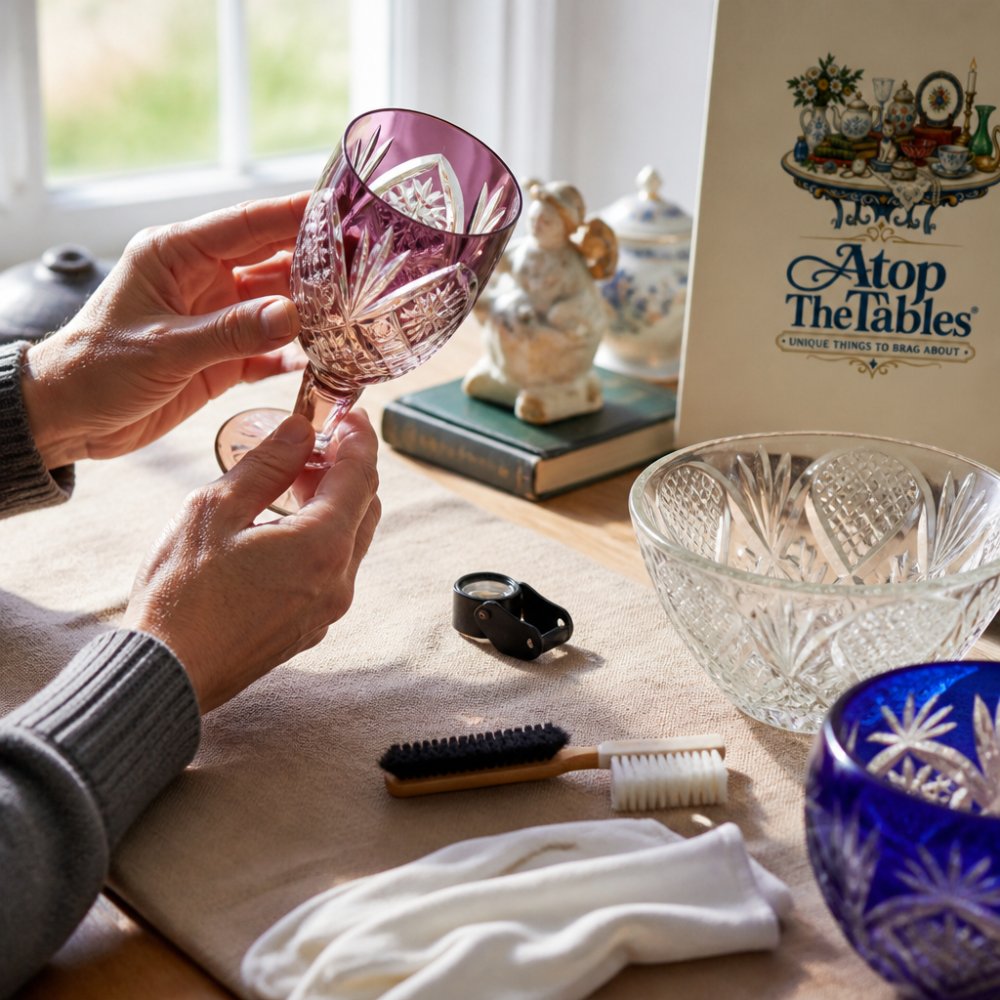
Checking for Structural Damage and Wear
Start with the obvious. Look for cracks, chips, and breaks. Run your fingers along edges and seams. Feel for rough spots that indicate damage.
For wooden pieces, press gently on joints; if they move or flex, the glue has failed. Check for soft spots with your fingernail, and inspect undersides and inside surfaces where damage often hides.
For glass and ceramic, hold pieces up to light; cracks show clearly when backlit.
Examine hardware on wooden pieces, hinges, handles, locks. Vintage hardware is often made from better materials than modern replacements, but corrosion and wear happen. Loose or missing hardware is fixable but indicates how well the piece was maintained.
Evaluating Condition Before Purchase
Professional sellers describe condition accurately. Terms matter:
- Mint or like-new: No visible wear, original condition, rarely used
- Excellent: Minor wear consistent with age, fully functional
- Very good: Some wear visible, all parts present and functional
- Good: Obvious wear, possible repairs or replacements, still usable
- Fair: Significant wear, repairs needed, collector's piece only
Ask about repairs: has this piece been refinished, reupholstered, or had parts replaced? Repairs aren't necessarily bad, they show the piece was valued enough to fix, but they affect durability and value.
Request close-up photographs of any damage. Honest sellers show the flaws; if photos are vague, ask for more. At AtopTheTables, we photograph every angle because condition matters to durability and satisfaction.
How to Clean Vintage Crystal and Glass Care
Vintage glass and crystal need gentle handling. The right cleaning method preserves the piece and prevents damage.
Hand washing is always better than dishwashers for vintage pieces; the heat and harsh water jets can damage old glass, especially pieces with weak spots from age.
Use lukewarm water with mild dish soap and a soft cloth or sponge, avoiding abrasive scrubbers that scratch.
Dry pieces immediately with a soft cloth; air drying can leave water spots, especially with hard water. Pat dry rather than rubbing.
For decorative glass you don't use for serving, avoid washing when possible; dusting with a soft, dry cloth preserves the finish and reduces breakage risk.
Vintage Libbey Leaf & Vine 12 oz Tumblers Set of 7 Gold Rim →
Vintage glass care basics:
- Hand wash only with lukewarm water
- Use mild soap and soft cloths
- Dry immediately to prevent water spots
- Store in a stable location away from edges
- Avoid rapid temperature changes
Bone China Care and Long-Term Maintenance
Bone china represents some of the finest vintage ceramics available. It's stronger than regular porcelain because it contains bone ash, which makes it more durable and chip-resistant.
Vintage bone china pieces, like fine dinnerware sets, can last generations with proper care. The key is protecting the glaze and decoration from wear.
Hand wash bone china gently. The decorated surfaces, gold rims, hand-painted designs, delicate patterns, can wear with repeated dishwasher cycles. Lukewarm water and soft cloths preserve these details.
Stack plates carefully with felt or cloth between them to prevent chips. Store in a cabinet or display case where pieces won't shift or fall.
Use bone china pieces regularly if you want them to last.
Long-term bone china storage:
- Hand wash and dry immediately
- Use felt separators when stacking
- Store in climate-controlled spaces
- Avoid extreme temperature swings
- Display in cabinets where pieces are secure
- Use pieces regularly to maintain their purpose
Vintage Glass Care: Preservation and Display
Vintage glassware serves a purpose, it's made to be used. The durability question for glass is really about display and storage.
Shelving matters. Secure shelves prevent pieces from sliding or falling. Avoid shelves near heat sources or in direct sunlight, which can cause thermal shock or fading if the glass has any color.
For valuable or sentimental pieces, display in closed cabinets or cases. This protects them from dust, accidental bumps, and temperature fluctuations. Open shelving looks beautiful but exposes pieces to more risk.
Store glassware in a stable location. Vibrations from nearby appliances, foot traffic, or even heavy vehicles outside can cause pieces to shift and fall. A calm, protected space keeps pieces safe for decades.
When displaying vintage glass, group similar pieces together. The Vintage Libbey Leaf & Vine 12 oz Tumblers Set of 7 Gold Rim represents the kind of coordinated vintage glassware that looks beautiful on display and remains durable for everyday use.

Display and storage for vintage glass:
- Use secure, stable shelving away from vibrations
- Avoid direct sunlight and heat sources
- Group pieces together for visual impact and stability
- Keep pieces away from the edges of shelves
- Use closed cabinets for valuable pieces
- Ensure shelves can support the weight of glass
Mixing Vintage Pieces with Modern Decor
The beauty of vintage decor is that it works alongside modern furnishings. You don't need a home filled entirely with antiques for vintage pieces to shine.
Mixing eras creates visual interest. A modern sofa paired with a vintage side table, a contemporary kitchen with vintage glassware displayed on open shelving, these combinations feel intentional and personal.
The key is balance. Too many mismatched styles look chaotic. Too many pieces from one era feel themed rather than collected.
Color and material help create cohesion. If your modern decor uses warm wood tones, vintage pieces in similar tones blend naturally.
Vintage decor also bridges time periods visually. A piece from the 1950s has character that connects to both past and present.
Tips for mixing vintage with modern:
- Choose pieces that appeal to you personally
- Use color and material to create visual connection
- Display vintage items as intentional accents, not clutter
- Balance vintage pieces with modern elements
- Let pieces from different eras coexist naturally
Sustainability and the Value of Reusing Vintage Items
Choosing vintage decor is an environmental choice.
The manufacturing process for new home decor consumes energy, water, and raw materials. Transportation adds carbon emissions. Packaging creates waste. Vintage pieces have already completed their manufacturing impact.
Landfills receive millions of tons of home goods annually (the EPA).
The durability of vintage items also means they last longer than many new alternatives.
For environmentally conscious decorators, vintage isn't just aesthetically appealing, it's the responsible choice.
Environmental benefits of vintage decor:
- Eliminates manufacturing impact of new production
- Reduces resource extraction and consumption
- Prevents items from entering landfills
- Extends product life cycles
- Supports circular economy principles
- Preserves craftsmanship and history
| Material | Durability | Best For | Care Level |
|---|---|---|---|
| Solid Wood | Excellent, lasts generations | Structural pieces, furniture | Moderate, regular dusting, occasional conditioning |
| Glass | Excellent, indefinite if not broken | Drinkware, decorative display | Low, hand wash, dry promptly |
| Crystal | Excellent, more durable than expected | Fine glassware, special occasions | Low, handle carefully, hand wash |
| Bone China | Excellent, strengthened by bone ash | Dinnerware, display pieces | Low to moderate, hand wash, careful storage |
| Ceramics | Excellent, chemically stable | Decorative items, functional pieces | Low, hand wash, protect from chips |
| Upholstery | Good, depends on fabric quality | Seating, decorative textiles | Moderate to high, cleaning, protection from sun |
Vintage decor brings durability, character, and sustainability into your home. The pieces that have survived decades prove their resilience.
At AtopTheTables, we curate vintage pieces that combine beauty with lasting quality.
Frequently Asked Questions
Is vintage decor durable enough for everyday use?
Yes, vintage decor can be durable for daily use when properly selected and maintained. Items made from solid wood, quality ceramics, and well-constructed glass often outlast modern mass-produced alternatives. The key is inspecting condition carefully before purchase, look for structural integrity, secure joints, and minimal damage. Pieces sourced from reputable sellers like AtopTheTables, which examine items thoroughly before offering them, provide added confidence in durability and authenticity.
How do you tell whether a vintage item is in good condition?
Examine the piece for cracks, chips, loose joints, and signs of repair. For glass and crystal, hold it to light to spot hairline fractures. Check wood for warping, loose hardware, and solid construction. Ask the seller for detailed photographs and condition descriptions. Reputable vintage retailers provide honest assessments of wear and age-related marks. Minor surface wear is normal and adds character; structural damage or extensive repairs should lower your confidence in long-term durability.
What's the best way to clean vintage crystal without causing damage?
Use lukewarm water with a few drops of mild dish soap and a soft cloth or sponge. Avoid abrasive scrubbers and harsh chemicals that can strip finishes or damage delicate decorative details. For stubborn spots, soak gently rather than scrubbing. Hand wash whenever possible, dishwashers can crack or dull vintage crystal. Dry immediately with a soft lint-free cloth to prevent water spots. For pieces with gold or silver trim, like the Vintage Libbey Leaf & Vine tumblers, hand washing preserves the decorated finish.
How should you store delicate vintage collectibles to keep them safe?
Store items in a cool, dry, stable environment away from direct sunlight, extreme temperature swings, and humidity fluctuations. Use protective padding like acid-free tissue or soft cloth between stacked pieces. Keep collectibles on stable shelves or in display cabinets away from high-traffic areas where they might be bumped. Avoid basements or attics where moisture and temperature changes damage materials. For bone china and porcelain, wrap individually in acid-free paper. Proper storage significantly extends the life and appearance of vintage decor.
